Rooted in Hope
Written by: Brittany Stokes, CEO & CO-FounderThis Spring feels different at Tulsa Girls’ Home. For the first time since opening our doors, every building on our campus is complete. What once existed as construction plans, capital campaigns, and long conversations about “someday” now stands finished in the corner of Jenks, Oklahoma. Each structure serves a purpose in the life of a girl who has often known anything but stability—a main home grounded in safety, townhomes designed for transitional independence, and spaces dedicated to counseling, life skills, and restoration.
The buildings are finished. But more importantly, the mission behind them is firmly planted.
We are here to fight the cycle of foster care for teen girls who have endured instability most adults could not imagine. Many arrive having moved from placement to placement, learning early not to unpack their bags because nothing lasts. They carry stories of loss, disrupted attachments, and systems that are often overwhelmed and under-resourced.
Legislatively, we are still behind where we need to be. Policies shift. Funding timelines tighten. Laws are written with good intentions, yet too often without proximity to the lived realities of teenage girls healing from complex trauma. The foster care system remains strained, and in many ways, lightyears from the responsive, individualized model our youth deserve.
The question we must ask ourselves is not whether there is a crisis. It is whether we are willing to see it clearly enough to address it.
Teen girls continue to age out without permanency. Therapeutic environments are sometimes shortened before healing has taken root. Decisions can be driven by deadlines instead of readiness. And yet, amid those challenges, something steady is unfolding here.
Hope is rising in this small corner of Jenks. It rises when a girl who once resisted every adult in her life begins trusting a counselor enough to tell the truth. It rises when a resident earns a gold medal at the Special Olympics and stands a little taller on the podium. It rises in ordinary moments—riding bikes at the park, cooking dinner together, applying for a first job, studying for a driver’s test.
It rises when a young woman prepares to age out not in survival mode, but with a plan, support, and belief in her own future.
Those moments sustain us on the hard days. And there are hard days. Days when legislative conversations stall. Days when funding structures feel misaligned with trauma-informed care. Days when the broader system feels slow to change.
But then there are the mornings when laughter echoes across campus, the evenings when girls gather around the table, and the quiet victories that rarely make headlines but change lives nonetheless.
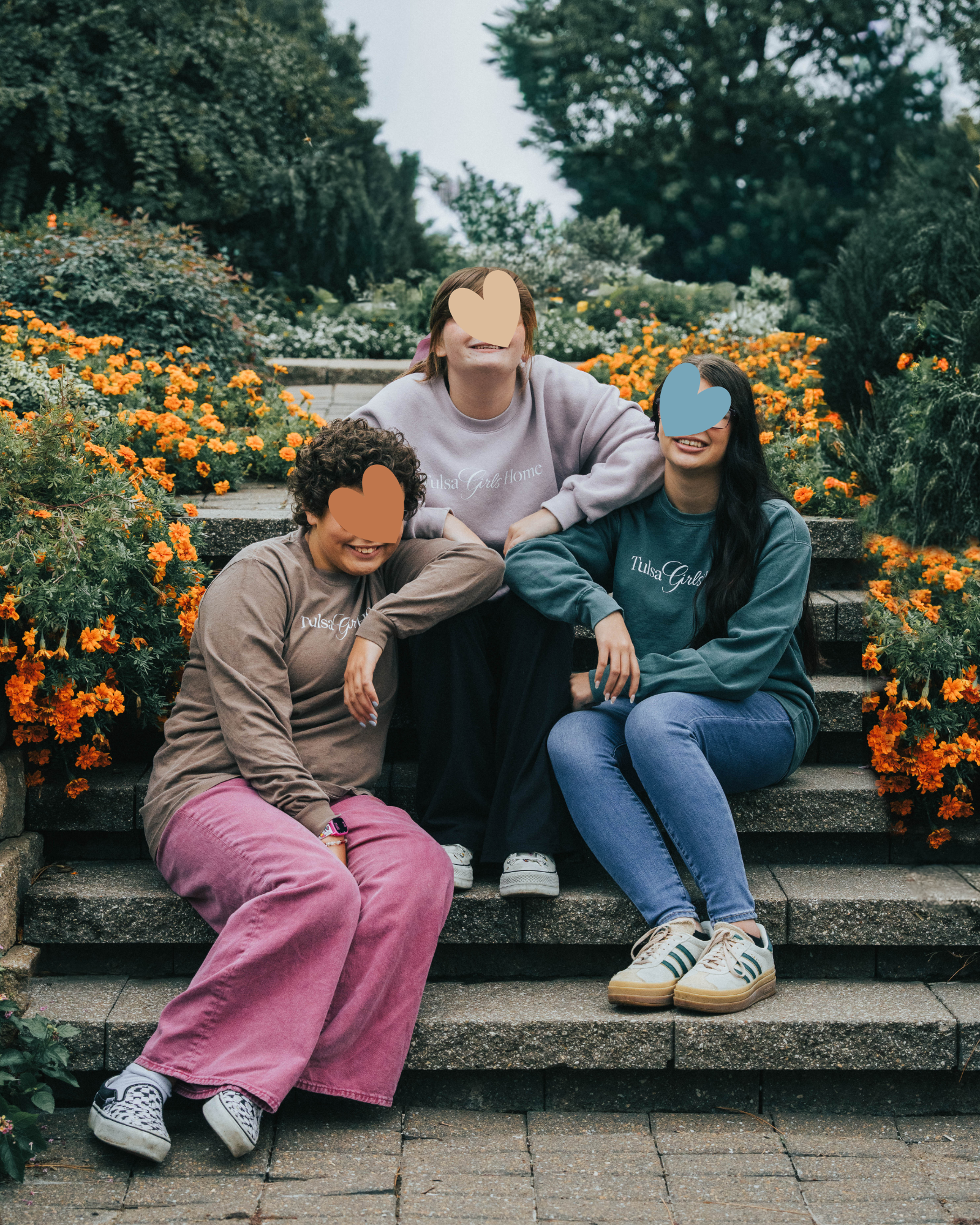
Tulsa Girls’ Home is no longer just a program navigating uncertainty. It is a completed campus on a clear mission: to provide stability long enough for healing to take root and independence to grow. It is a place where girls can unpack their bags and, for the first time, believe they might get to stay.
Your support has built more than buildings. It has built continuity. It has built trust. It has built a foundation strong enough to challenge a system that still has work to do.
As spring unfolds, so do the stories of the girls who call this place home. While policy debates continue and reforms inch forward, here in Jenks, hope is not theoretical. It is visible in the confidence of a teenager who once doubted herself. It is measurable in the milestones reached. It is tangible in the safety of a campus finally complete.
And in a world that still struggles to meet the needs of its most vulnerable youth, that kind of hope is worth fighting for.